
Warmer floor surfaces in winter
Insulation under the floor raises the surface temperature of timber floorboards, so your feet stay warm and rooms feel more comfortable without turning up the heater.
Suspended Floor Specialists
Underfloor insulation in Waterways stops cold air rising through floorboards and cuts winter heating costs. Expert Insulation Melbourne installs glasswool or polyester batts between joists in the subfloor to create a thermal barrier under suspended timber floors.
Share your details and Expert Insulation Melbourne will contact you about Underfloor Insulation in Waterways.
Underfloor insulation is installed in the subfloor space beneath suspended timber floors to block cold air and draughts coming up through gaps in the floorboards. In Waterways, many homes sit on stumps and bearers with a crawl space underneath, making them ideal for this upgrade. Batts are fitted between the floor joists, held in place by friction, and sealed at the edges to prevent gaps.
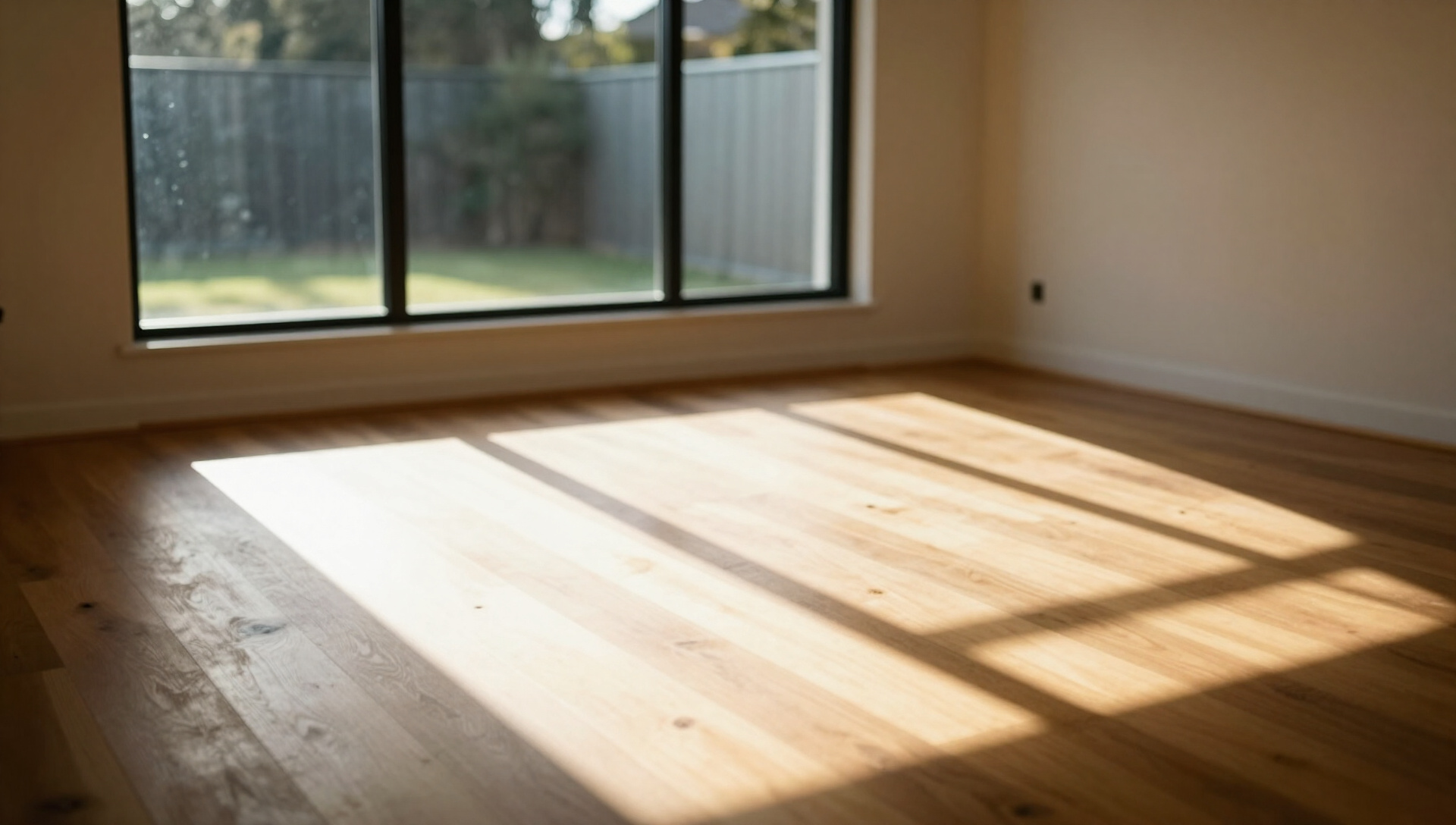
Waterways has cold, damp winters and hot summers, and homes with suspended timber floors lose heat fast without a thermal barrier underneath. Underfloor insulation keeps the floor surface warmer in winter and reduces the load on heating systems, while also cutting draughts that make rooms feel chilly.
Insulation under the floor raises the surface temperature of timber floorboards, so your feet stay warm and rooms feel more comfortable without turning up the heater.
Gaps between floorboards and around skirting let cold air in. Underfloor batts block these draughts, stopping cold spots and making the home feel consistently warmer.
With less heat loss through the floor, your heating system runs less often. Homeowners in Waterways typically see noticeable savings on winter energy bills.
In summer, underfloor insulation also helps keep indoor temperatures steadier by reducing heat gain from the ground, especially in homes with limited shade.
A well-sealed subfloor with insulation reduces dust and moisture rising from the ground, which can improve indoor air quality and protect timber flooring.
Access is through the subfloor via existing vents or small panels, so there is no need to remove flooring or disrupt the home during installation.
Installing underfloor insulation requires access to the subfloor, which is usually possible through existing vents or by lifting a section of flooring if needed. The process is straightforward but must be done carefully to avoid compressing batts or leaving gaps.
We check the subfloor for sufficient crawl space, moisture issues and existing insulation. Access points are identified, and we ensure there is enough room to work safely between joists.
Batts are measured to fit snugly between the floor joists without compression. We use glasswool or polyester, both non-itch and treated for moisture resistance in subfloor conditions.
Batts are placed between each joist, butted up against the timber to eliminate gaps. We secure them with friction fit and staple flanges to the joist sides where needed.
All edges are sealed to prevent air leakage, and we verify full coverage with no gaps or compressed sections that would reduce thermal performance.
Waterways is a newer suburb in Melbourne’s southeast with many modern homes built on suspended timber floors. These homes often lack underfloor insulation, leading to cold floors and higher heating costs in winter. The subfloor space is usually accessible, making it practical to add batts between joists. Nearby Patterson Lakes and the surrounding waterways can also contribute to damp conditions, so moisture-resistant materials are recommended.
Stop cold floors and draughts with underfloor insulation installed under suspended timber floors in Waterways.
Homeowners in Waterways often ask about access, R-values and whether underfloor insulation is worth it for their home. Here are the most common questions we answer on site.
Expert Insulation Melbourne installs underfloor insulation in Waterways to stop cold draughts and reduce heating costs for homes with suspended timber floors. Batts are fitted between floor joists in the subfloor, creating a thermal barrier that keeps floorboards warmer in winter and improves year-round comfort. This is especially effective in Waterways, where cold winters and damp conditions can make uninsulated floors feel icy.
The installation process begins with a subfloor inspection to check access, moisture levels and existing materials. We then measure and cut glasswool or polyester batts to fit snugly between joists, ensuring no gaps or compression that would reduce performance. Typical R-values for underfloor insulation range from R1.5 to R2.5, depending on the chosen thickness and the home’s needs.
Underfloor insulation is a cost-effective upgrade for Waterways homes, lowering energy bills and improving comfort without major disruption. It also helps reduce dust and moisture rising from the ground, protecting both the home and its occupants. For homes with limited subfloor access, we assess alternatives during the initial inspection.
Stop cold floors and draughts with underfloor insulation installed by Expert Insulation Melbourne. We service Waterways and surrounding suburbs.